
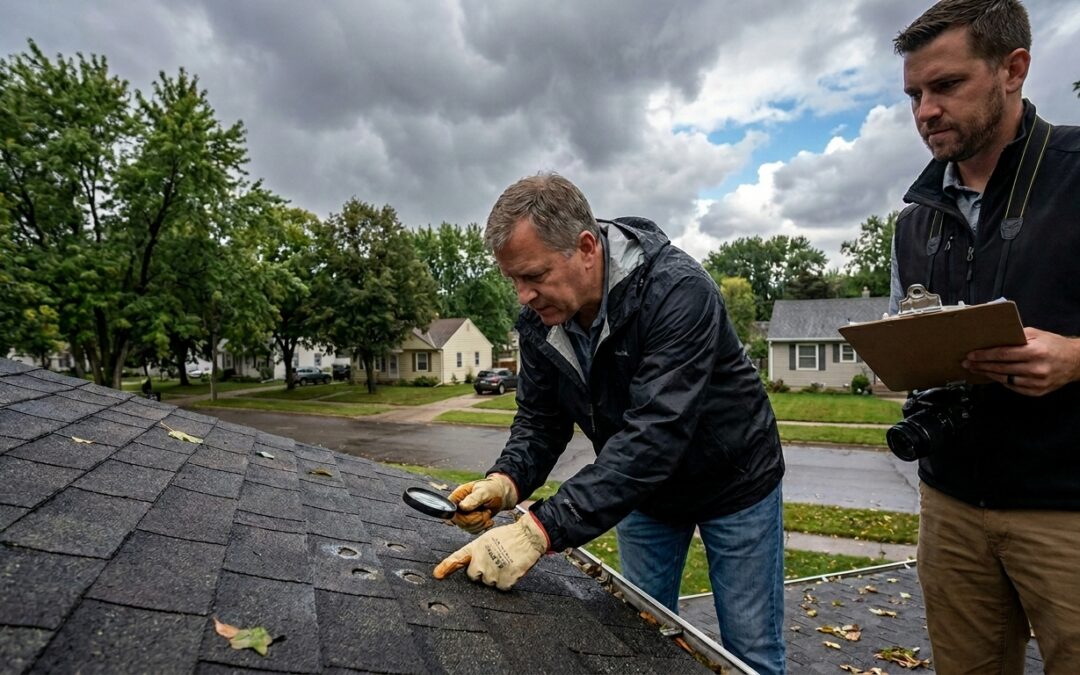
Minnesota storms don’t always leave obvious damage behind. In fact, many homeowners search for a storm damage roof inspection Twin Cities service after a storm because everything looks fine from the ground — until leaks, drafts, or insurance problems show up months later.
Hail, wind, and flying debris can quietly weaken your roof, siding, and windows long before you notice visible issues inside your home. And in Minnesota, where storms can swing from heavy hail to high winds in minutes, hidden damage is more common than most homeowners realize.
If your neighborhood recently got hit, this guide will help you understand what to look for, what mistakes to avoid, and how the insurance process actually works before you file a claim.
For homeowners in Woodbury and across the Twin Cities, acting early can make the difference between a simple repair and a major exterior replacement.
Why Minnesota Storms Cause More Damage Than You Think
Minnesota weather is uniquely hard on homes.
One storm might bring golf-ball-sized hail. The next brings 60+ mph wind gusts. Then temperatures swing dramatically within days. That repeated expansion, contraction, and impact stress weakens roofing systems faster than many homeowners expect.
According to the NOAA Storm Events Database, Minnesota experiences frequent severe hail and wind events every year — especially throughout the Twin Cities metro.
The challenge is that storm damage isn’t always dramatic.
A roof may not leak immediately after hail hits. Siding may only show subtle cracks. Window seals may weaken slowly over time. By the time visible problems appear inside the home, the original storm damage may already be harder to document for insurance.
That’s why professional inspections matter after major storms — especially from a trusted local contractor who understands Minnesota weather patterns, insurance timelines, and building materials.
5 Signs Your Home Has Storm Damage (Check These First)
1. Missing or Bruised Shingles
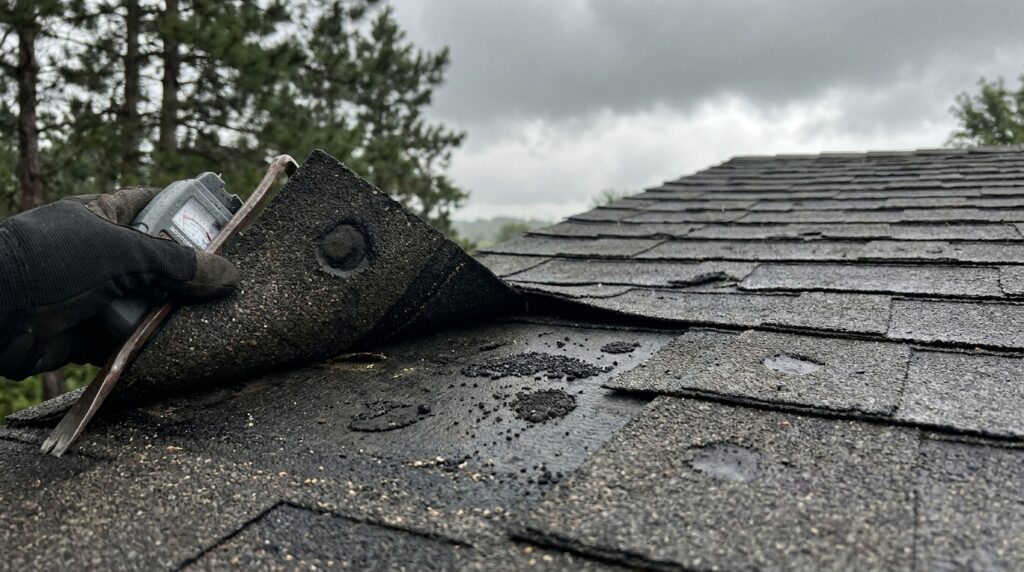
After hail or wind, shingles often lose protective granules or develop soft impact spots that aren’t visible from the ground.
Signs include:
- Dark patches on shingles
- Loose or lifted shingles
- Granules collecting in gutters
- Circular “bruising” marks from hail impact
- Uneven roof texture
Even small impact points can shorten your roof’s lifespan significantly.
If your neighbors are getting inspections after a storm, that’s often a sign your home should be checked too.
This is one of the biggest reasons homeowners schedule a storm damage roof inspection Twin Cities contractors recommend after severe weather.
2. Cracked or Dented Siding
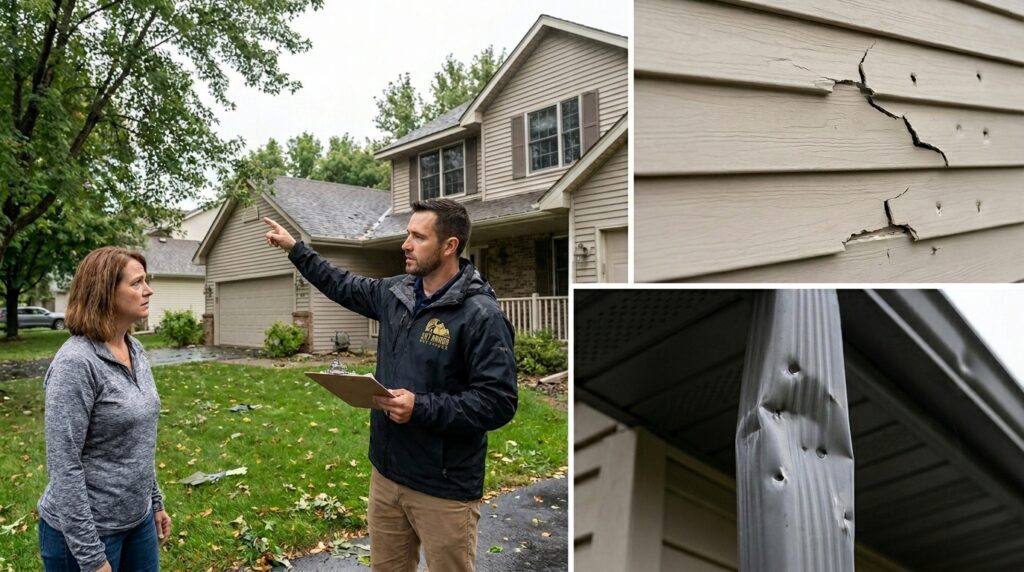
Hail damage to siding is easy to overlook because it often blends into the texture of the material.
Watch for:
- Small cracks
- Chips near edges
- Dents in aluminum or steel siding
- Fading or exposed underlayers
- Warped panels after windstorms
In Minnesota, siding damage can worsen quickly once moisture starts entering behind panels.
Many homeowners searching for hail damage roof Minnesota information later discover their siding was damaged too.
3. Window Seal Failure or Exterior Damage
Storm damage doesn’t stop at the roof.
Hail and pressure changes can weaken window seals and frames, especially in older homes.
Common warning signs:
- Fogging between glass panes
- Drafts near windows
- Cracked trim or caulking
- Small exterior chips
- Water stains near frames
Minor window damage can lead to energy loss, moisture intrusion, and mold problems if ignored.
4. Gutter or Flashing Damage
Your gutters and flashing often take the first hit during severe storms.
Look for:
- Bent gutters
- Detached sections
- Dents from hail
- Loose flashing near chimneys or vents
- Overflowing water during rain
These issues may seem cosmetic initially, but poor drainage can eventually damage your roof decking, fascia, and foundation.
5. Interior Signs You Shouldn’t Ignore
Sometimes the first signs appear inside your home.
Pay attention to:
- Ceiling stains
- Attic moisture
- Peeling paint
- Mold smells
- New drafts after storms
Even if your roof “looks okay,” these symptoms can indicate hidden storm damage already affecting your home.
The Mistake That Costs Homeowners Thousands
The biggest mistake Minnesota homeowners make after storms?
Waiting too long.
Many people assume:
- “If it was serious, I’d already see leaks.”
- “The roof still looks normal.”
- “I’ll deal with it later.”
But storm damage often worsens gradually.
A small hail impact can weaken shingles enough that freeze-thaw cycles finish the damage months later. Insurance companies may also question claims filed long after the storm occurred.
Another costly mistake is working with out-of-state storm chasers who disappear after completing fast repairs.
Homeowners often end up dealing with:
- Warranty issues
- Incomplete repairs
- Insurance disputes
- Poor installation quality
That’s why working with a trusted Twin Cities exterior contractor matters.
How the Insurance Claim Process Actually Works in MN
The insurance process feels intimidating to many homeowners, but it’s usually more straightforward than people expect.
Here’s how it typically works:
Step 1: Schedule an Inspection
A contractor documents damage and determines whether filing a claim makes sense.
A reputable contractor should never pressure you into filing unnecessarily.
Step 2: File Your Claim
If significant storm damage exists, you contact your insurance provider and begin the claim process.
Step 3: Insurance Adjuster Inspection
An adjuster reviews the property and assesses covered damage.
Experienced local contractors often meet with adjusters onsite to ensure all damage is properly documented.
Step 4: Approval & Scope Review
The insurance company provides a scope of work and settlement estimate.
Step 5: Repairs or Replacement Begin
Once approved, repairs move forward based on your policy coverage.
Minnesota homeowners should also understand deductible laws. Contractors legally cannot waive insurance deductibles under Minnesota law. You can review the statute here:
If a contractor promises to “cover your deductible,” that’s a major red flag.
Storm Chasers vs. Local Contractors: How to Tell the Difference
After major storms, neighborhoods often get flooded with door knockers offering “free roofs.”
Some are legitimate.
Many are not.
Here’s how to tell the difference.
Red Flags of Storm Chasers
- Out-of-state license plates
- High-pressure sales tactics
- “Sign today” urgency
- No local office
- Vague warranties
- Requests for large upfront payments
- Promises to waive deductibles
These companies often leave town after the storm season ends.
What Local Contractors Do Differently
A trusted local company focuses on:
- Long-term reputation
- Local references
- Proper permitting
- Insurance documentation
- Ongoing service support
- Warranty accountability
Homeowners searching for roof inspection Woodbury MN services should prioritize contractors with a strong local presence and verified project history.
You can learn more about local exterior services here:
What a Free Sky Armor Inspection Includes
A professional inspection should give you clarity — not pressure.
A typical Sky Armor inspection includes:
- Full roof assessment
- Hail and wind damage documentation
- Siding inspection
- Gutter and flashing review
- Window exterior evaluation
- Photo documentation
- Insurance guidance if needed
The goal is simple:
Help homeowners understand the condition of their exterior before minor damage becomes a major expense.
Whether damage is repairable or requires replacement, homeowners deserve honest recommendations without scare tactics.
When to Call (The 72-Hour Window Matters)
After severe storms, timing matters more than many homeowners realize.
The first 72 hours are important because:
- Damage is easier to document
- Temporary repairs can prevent worsening issues
- Insurance timelines are clearer
- Hidden moisture problems can be identified earlier
You don’t need to panic after every storm.
But if your neighborhood experienced:
- Hail
- High winds
- Fallen branches
- Missing shingles nearby
- Heavy debris impact
…it’s smart to schedule a professional inspection sooner rather than later.
Especially in Minnesota, where weather conditions can quickly turn small storm issues into larger structural problems.
Protect Your Home Before Small Damage Gets Worse

If your neighborhood was recently hit by hail or severe weather, don’t rely on a ground-level visual check alone.
A professional storm damage roof inspection Twin Cities homeowners trust can identify hidden issues before they become expensive repairs.
Sky Armor Exteriors proudly serves Woodbury and the greater Twin Cities area with honest inspections, insurance guidance, and high-quality exterior restoration work built for Minnesota weather.
Request Your Free Inspection
Phone: (651) 555-0123
Featured Image Alt Text: storm damage roof inspection Twin Cities Minnesota